
US Treasuries
- UST 10s on Tuesday closed at 4.04%.
- 1st weekly resist at 4.015% / 4.03% 55% to hold on the week
- 2nd weekly resist at 3.97% / 3.985% 80%to hold on the week
- –> 1st monthly resist at 4.12% / 4.14% this zone has held for last 11 months
- –> 2nd monthly resist at 4.03% / 4.055%
- 1st weekly support at 4.12% / 4.135% 90% to hold on the week
- 2nd weekly support at 4.175% / 4.19%
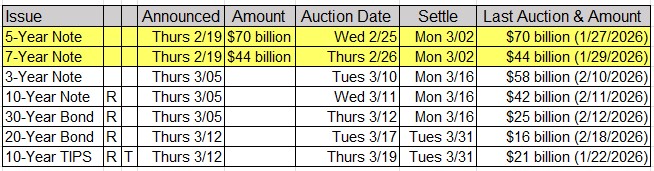
On Deck: Tomorrow, 2/25/26: $70 Billion UST 5 year Note Auction
- Fed’s Goolsbee: Says Tariff Ruling Could Help Cool Inflation
- Fed’s Cook: Says Fed May Not be Able to Counter AI- Driven Unemployment
Conference Call Friday, February 27, 2026, Featuring Jim Bianco

Intraday Commentary From Jim Bianco
Client Question: So if services prices are falling (which are approximately 70% of spending in a mature economy), does Bianco Research think disinflation will follow? Rates to be cut? Unemployment to rise?
Jim Bianco: Are service prices really falling? What metric are they using? The measure I would use is Jay Powell’s super core, Core PCE services less housing. It jumped a big 0.63% in January. Also, wage inflation jumped 0.4% in January, and the unemployment rate fell to 4.3%. Services inflation is driven by one thing … wage inflation. We had a big hiring surge, a wage increase, and a jump in super core all in January. Super core’s year-over-year measure is 2.7% above the overall inflation measure.
Client: The question came from your posts re software services now being available for free or a lot less than they were
Classic example: better steam engines burned less coal per unit of work… so factories built more engines, ran them harder, and overall coal consumption soared. Applied here: the marginal cost of software development collapsing toward zero won’t mean less software. It will mean an explosion of it — thousands or millions of custom agents, intelligent systems, and on-demand tools that were previously too expensive to justify.
Jim Bianco: On a per unit basis yes, but you’re about to get a lot more of it.
In the News
CNBC: Data center expansion reaches an ‘inflection point’
FreightWaves: Panama wrests control of Canal terminals from China operator
InsuranceJournal: FedEx Sues US for Refund on Trump’s Emergency Tariffs
Redfin: Half of Americans Struggle to Pay Rent or Mortgage, With Gen Z Hit Hardest
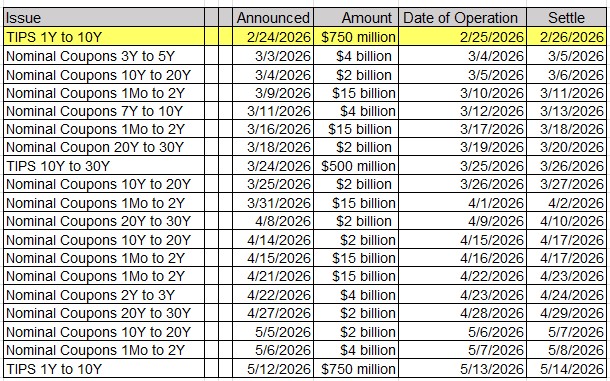
Upcoming US Treasury Supply
Upcoming Economic Releases & Fed Speak
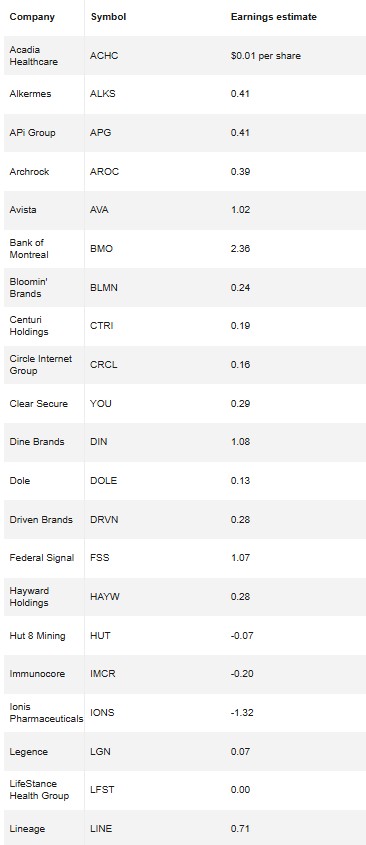
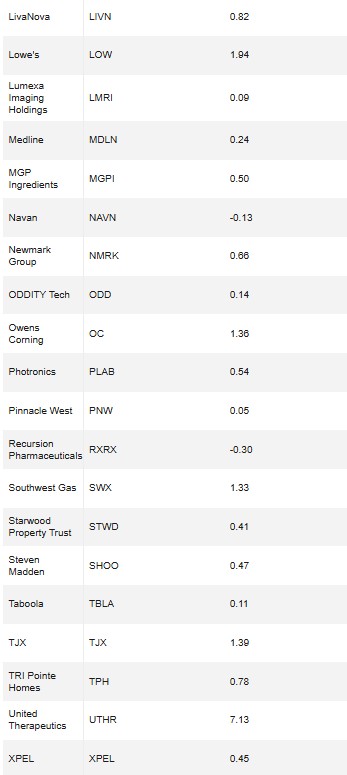
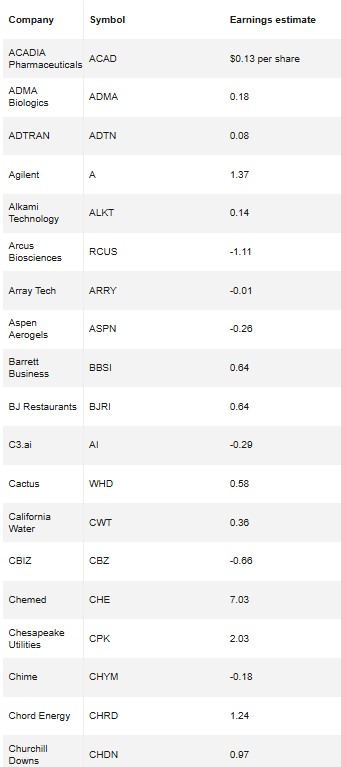
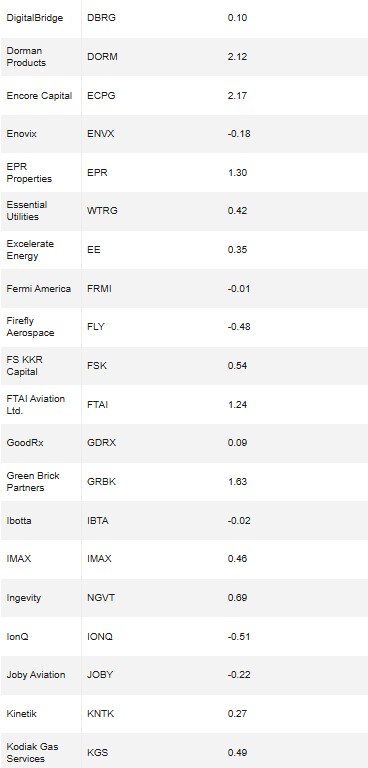
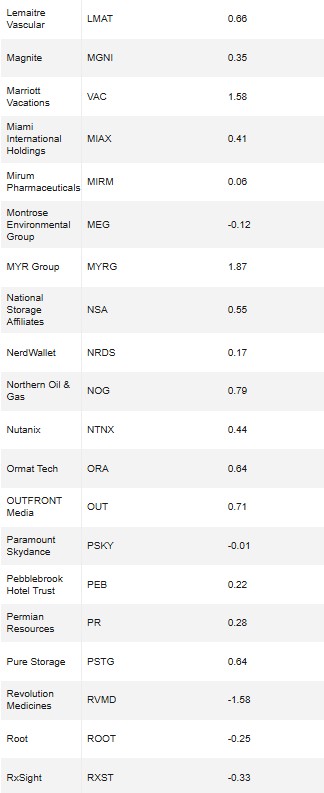
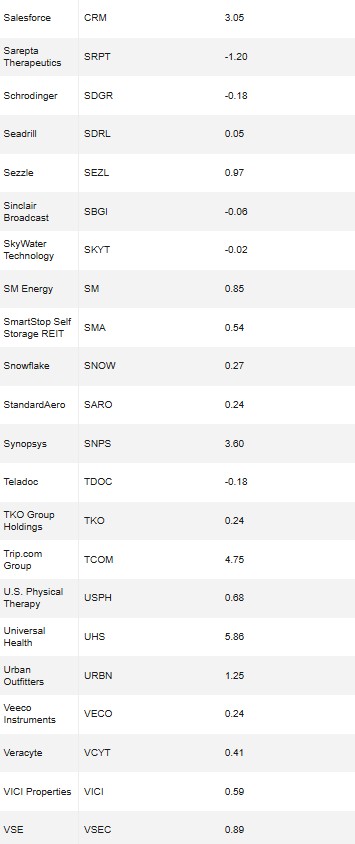
Noteworthy After-the-Close Earnings Releases